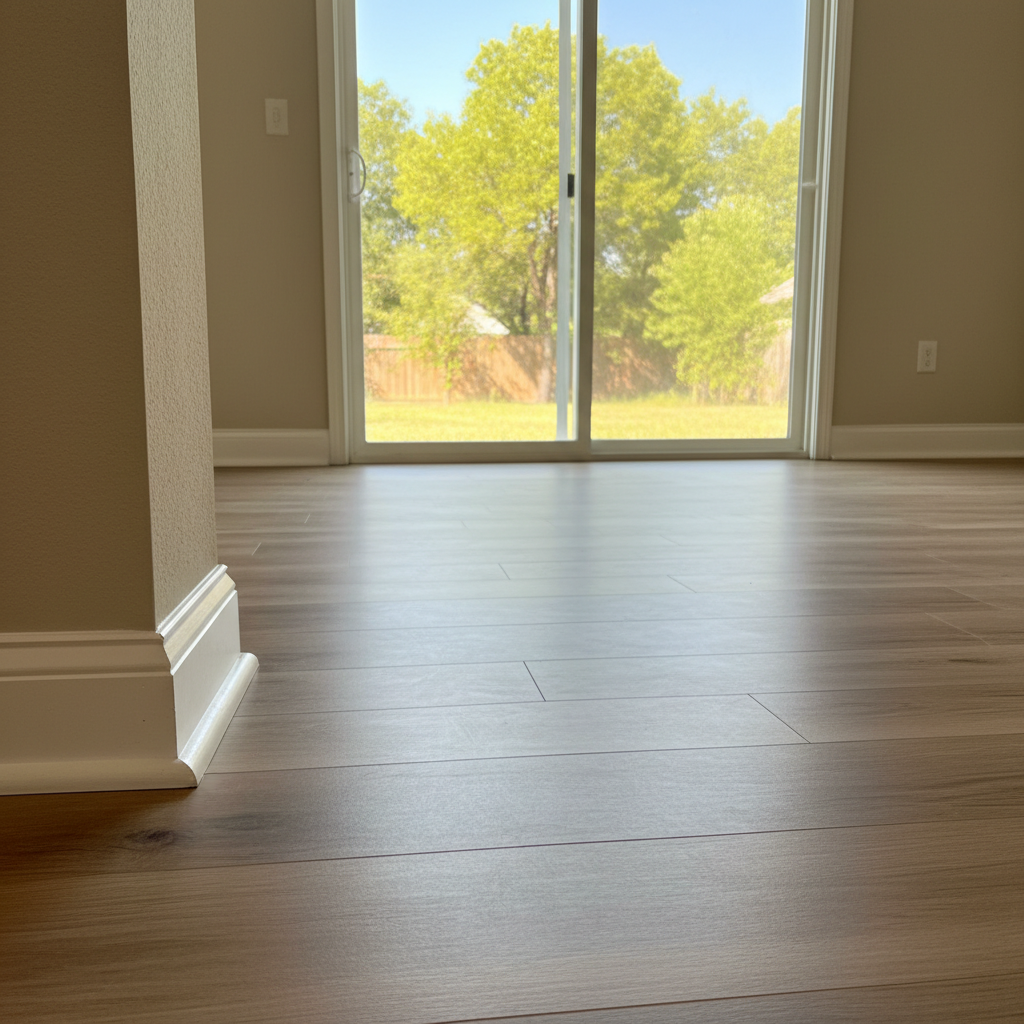
Water Damage Restoration in Duncanville, TX does not wait for a convenient time to strike. Whether it is a sudden pipe burst during a rare North Texas freeze or a slow roof leak after a heavy spring storm rolling across Cedar Hill, homeowners are left dealing with a mess. Over the years running Pacific Coast Restoration right here in Duncanville, TX, we have heard just about every question a stressed homeowner can ask. We will cut through the confusion and get straight to what you actually need to know about Water Damage Restoration in Duncanville, TX.
How fast do I really need to start drying out my house?
Yesterday. Time is working against you the second water hits your floors or drywall. Around here, our humid climate means mold does not need much time to set up shop. Within 24 to 48 hours, spores can germinate behind your baseboards or under your carpet padding. If you wait until the weekend to deal with a Thursday leak, you are turning a simple extraction job into a full-scale mold remediation project.
Should I call my insurance company right away?
Most of the time, yes, but check your deductible first. If you have a broken supply line causing widespread damage through your kitchen and into the living room, file a claim. If it is a minor leak that costs three hundred dollars to fix and dry, keep insurance out of it. You do not want a claim on your record for something that barely clears your deductible, as it might bump up your rates later. Always take plenty of photos before anything gets moved or thrown away.
Can I just use box fans and a shop vac to dry it myself?
You can try, but you are probably only drying the surface. Water loves to wick up drywall, travel underneath tile, and pool inside wall cavities where regular air movement will not reach. Pacific Coast Restoration uses industrial air movers, dehumidifiers that pull gallons out of the air daily, and moisture meters that let us look behind walls without tearing them apart. If you miss pockets of moisture, rot and mold will follow.
Will my drywall and flooring have to be ripped out?
Not always, but do not be surprised if some of it does. If we catch it early and the water is clean supply-line water, we can often float and dry hardwood or save drywall by removing the baseboards and blowing air directly into the wall cavity. However, if it is category three water from a sewage backup, or if the drywall has already lost its structural integrity, cutting it out is the only safe option.
How long does the entire drying and repair process take?
The drying phase usually takes about three to five days depending on how saturated your framing is and how humid it is outside. Repairs take longer. Putting up new drywall, texturing, painting, and relaying flooring can stretch anywhere from a week to two weeks. Pacific Coast Restoration tries to keep the Water Damage Restoration process moving as fast as possible so you can get back to normal life in Duncanville, TX.
How do I know if mold is already growing?
Your nose will often tell you before your eyes do. A musty, earthy smell is the classic giveaway. You might also notice buckling paint, warped wood, or dark spots appearing on your ceiling or walls. If you smell it, it is there. Pacific Coast Restoration uses thermal cameras and moisture meters to track down hidden damp spots where mold loves to breed.
What can I do while waiting for help to arrive?
First, shut off the main water valve if the leak is still active. Next, flip the breaker to turn off power to any rooms where water is pooling near outlets or light fixtures. Move your furniture, especially pieces with wooden legs that can stain carpets or warp. Grab some old towels to mop up what you can safely reach, and stay out of standing water if there is any risk of electrical shock.